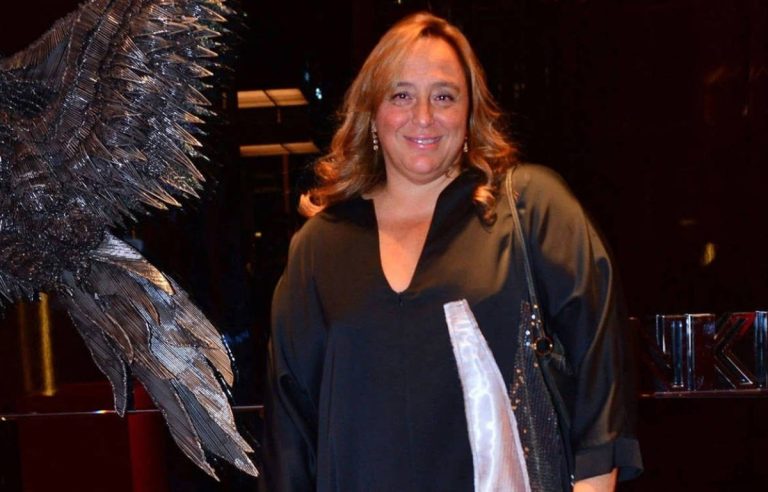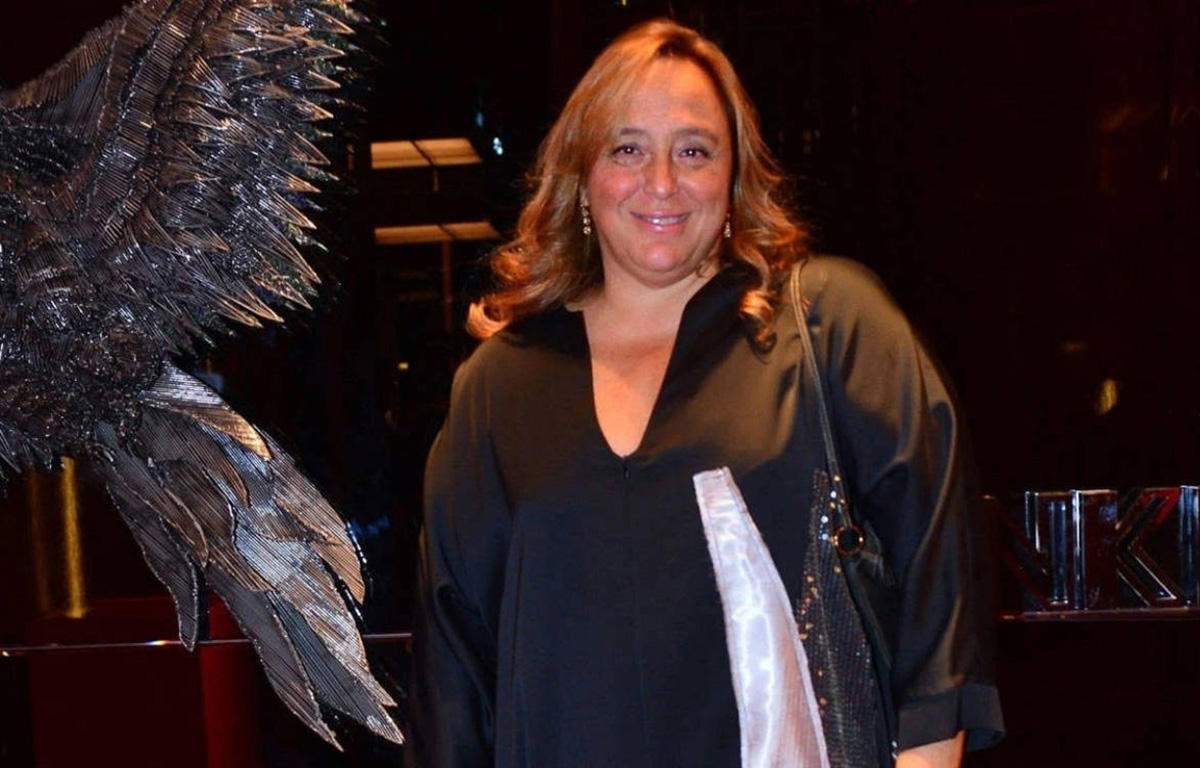
Ayşe Barım’s name has become closely associated with cultural management and artistic influence, and when someone like her is detained it becomes the matter of the law and the public life
Her detention, following accusations ranging from “aiding an attempt to overthrow the government” to involvement in what prosecutors call an “influence agency” (a term absent from the Turkish Penal Code), has drawn attention far beyond the courtroom. As previously reported on 18 February, Barım’s arrest on 24 January 2025 came at a politically charged moment. It revived decade-old allegations tied to the Gezi Park protests and ignited debate over the motivations and timing of her detention.
Who Is Ayşe Barım?
Outside the entertainment industry, Ayşe Barım may not be widely recognized. But for more than twenty years, she has been a central figure behind some of Türkiye’s most prominent actors and productions through her agency, ID İletişim. She has managed careers, shaped public images, and influenced how Turkish culture is presented and consumed.
As previously noted, her client roster includes high-profile names such as Hande Erçel and Halit Ergenç. This role, celebrities say, places her as a manager and also acultural arbiter whose reach extends well beyond the stage. Some suggest this influence may now be at the heart of her legal troubles.
The Allegations
Twelve years after the Gezi Park protests, Barım faces accusations of “obstructing the government.”
She denies these claims.
In her statements to prosecutors, Barım said she attended Gezi as an individual, not as an organizer. She also explained that her past contact with Osman Kavala, the jailed philanthropist, was limited to arranging a venue for a film premiere after-party. “That was the extent of our contact,” she stated and added that the meeting took place a year after Gezi and had no political dimension.
Her professional relationship with actor Mehmet Ali Alabora, another figure often cited in official discourse, was strictly tied to his role as head of the actors’ union at the time, she said.
When questioned about a protest statement allegedly read on behalf of artists during the Gezi period, Barım pointed out that recordings show she advised against its publication and alleged she cited disagreements with both its content and tone.
A Legal Gray Area
One of the most contentious aspects of the case is the use of the term “influence agency,” which has said to have no basis in Turkish criminal law. While the concept was proposed twice in Parliament in 2024, opposition parties blocked its passage and argued that its vague definition could be used to target journalists, activists, and dissidents under the pretext of espionage.
Legal experts and academics concur. Professor Dr. Adem Sözüer of Istanbul Bilgi University has stated that no such offense exists in the Turkish penal code, and that criminal penalties can only be applied to clearly defined offenses.
The justification for Barım’s detention appears to rest on a legislative proposal that was never enacted, now repurposed in a legal context.
Expression and Its Consequences
Authorities have also examined social media posts using the hashtag #HelpTurkey during national crises by artists associated with Barım’s agency. Prosecutors have suggested that these posts, which sometimes criticized the government’s response to disasters, could indicate involvement in or sympathy for foreign campaigns aimed at hurting Türkiye’s image.
Barım has firmly denied any role in organizing, encouraging, or directing these posts. She maintains that the artists acted independently, without her input or instruction.
Previous reporting highlighted how mainstream media outlets, including Hürriyet and Sabah, had begun framing Barım’s activities as monopolistic and subversive by citing the #HelpTurkey campaign as evidence. These narratives may have helped prepare the ground for her detention.
Some analysts see the case to marginalize independent cultural figures and assert ideological control over Turkiye’s creative industries. Gülizar Biçer Karaca, Deputy Speaker of the Turkish Parliament, described the arrest as “a multi-layered strategy to eliminate independent cultural actors and consolidate control over a multi-billion-dollar sector.”
Comparisons have been drawn between Barım’s case and that of Osman Kavala, with both involving prolonged legal processes, ambiguous charges, and the use of detention to pressure them. In both instances, the individuals’ symbolic significance appears to weigh as heavily as the specific allegations against them.
Reactions from the Cultural and Political Spheres
Barım’s detention triggered an immediate wave of support from actors and artists. Hazal Kaya, Pınar Deniz, Birce Akalay, and Merve Dizdar were among those who expressed shock and solidarity on social media, with messages ranging from “I can’t comprehend this” to “You cannot thrive through oppression.”
Political figures also weighed in. DEVA Party leader Ali Babacan called the charges “worthy of a black comedy,” while MP İnan Akgün Alp said the case confirmed opposition warnings about the criminalization of dissent.
With Barım still in custody, the debate over her case remains as intense as ever.