On 24 January 2025, 14-year-old Mattia Ahmet Minguzzi was fatally stabbed in broad daylight in Istanbul’s Kadıköy district. The attack, carried out by two teenage boys, was recorded on video. The incident escalated quickly, provoked national outrage and reignited debate over Turkey’s approach to juvenile crime.
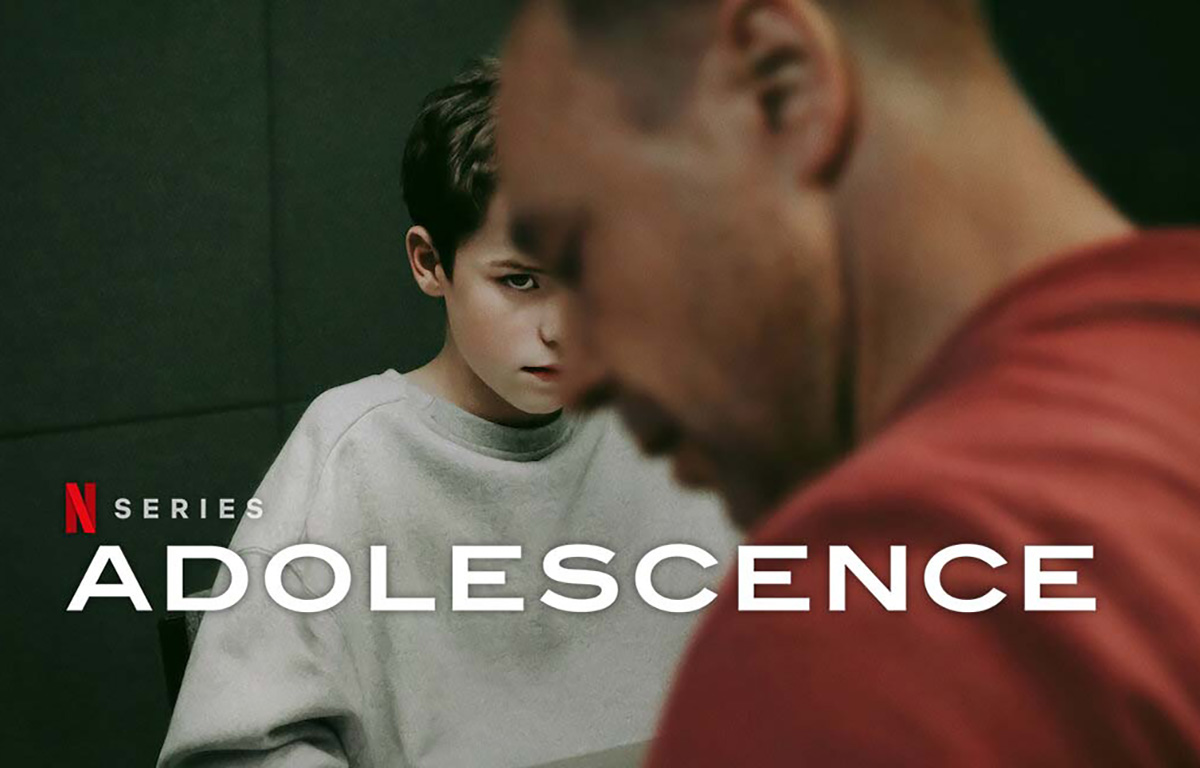
Months earlier, Netflix had released Adolescence, a British mini-series about a 13-year-old boy arrested for stabbing a classmate, whish is a fictional narrative that now resonates with grim reality.
This report explores the legal, emotional, and societal parallels between these two cases, one for which scripted for television, the other a real-life tragedy. Together, they pose difficult questions about youth violence, accountability, and the institutions tasked with delivering justice.
In Adolescence, Jamie Miller is arrested after stabbing his classmate Katie. The boy is portrayed as quiet, withdrawn, and immersed in digital spaces. His actions are shaped, in part, by humiliation and exposure to the online “incel” subculture. The series follows his arrest, detention in a secure youth facility, and the events leading to his guilty plea. It is a psychological examination of how a child can commit such an act.
The killing of Mattia Ahmet in Istanbul was no less shocking. Following a reported argument with two teens, allegedly over his skateboard, he was stabbed multiple times. The suspects, aged 15 and 16, were arrested and charged with the intentional murder of a child. As with Jamie, their age will significantly influence how they are prosecuted.
How should society respond when a child takes a life? This is the central question emerges in both stories.
In the UK, where Adolescence is set, minors can be charged and sentenced for serious crimes, including murder, with sentences subject to periodic review. Jamie’s experience in the series reflects a system that acknowledges age but does not absolve responsibility.
In Turkey, juvenile offenders are subject to mandatory sentence reductions under Turkey’s Criminal Code. Even in murder cases, the maximum sentence for a 15- or 16-year-old is approximately 24 years, often further reduced by parole. Legal commentators note that Mattia Ahmet’s killers could be released in as few as 10 years.
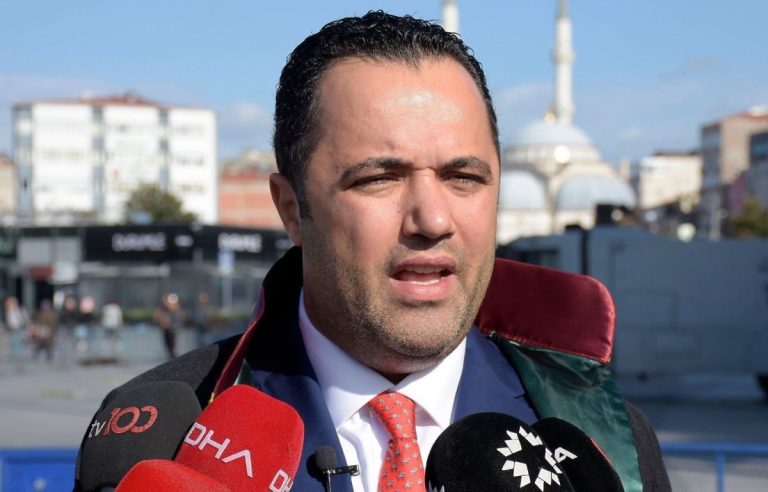
This gap between public sentiment and legal constraints has turned the courtroom into a focal point for calls for reform. Yasemin Minguzzi, Mattia Ahmet’s mother, has publicly advocated for changes to the law. She is arguing that those who took her son’s life should be held accountable as murderers, not shielded as children.
Adolescence offers a backstory for Jamie’s actions. His emotional fragility, social rejection, and immersion in toxic online environments culminate in violence. The series subtly critiques societal failures to intervene. His parents are depicted as well-meaning but distracted; his school and teachers as disconnected.
The Minguzzi case is different on this end. The attack appears sudden, and its motive ıs unclear. One suspect reportedly told investigators, “I don’t remember,” while the other described it as “a moment of anger.” Forensic evidence, however, suggests a deliberate and targeted act.
In Adolescence, Jamie’s family becomes social outcasts. His father’s work van is vandalized. His sister faces ostracism at school. The community full with grief and fear directs its anger at those closest to the boy.
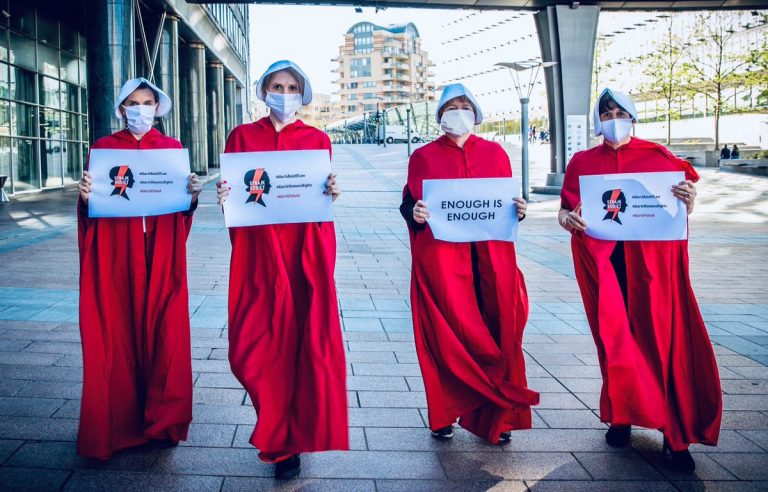
In Istanbul, the Minguzzi family received an outpouring of public support. Thousands signed petitions calling for severe penalties for the killers. Public rallies, extensive media coverage, and a symbolic act of grave desecration kept the case in the national spotlight. Politicians joined the demand for legal reform, with some arguing that violent juveniles should not benefit from existing legal protections.
When a minor commits a brutal crime, should age mitigate the consequences? Should the law treat all under-18s the same, or should it consider the nature and severity of the act?
Adolescence does not provide easy answers, but it compels viewers to confront these questions. It asks how such a tragedy could happen and whether it might have been prevented.
In Turkey, these questions have become urgent policy debates. Lawmakers are now considering proposals to increase penalties for violent juvenile offenders or eliminate mandatory sentence reductions in the most serious cases. Some suggestions even include introducing parental responsibility laws and holding guardians legally accountable for their children’s crimes.
Both stories has a shared conclusion, and that is, the punishment alone is not sufficient. Whether in the UK or Turkey, justice must be paired with prevention. Jamie and Mattia’s attackers likely slipped through gaps in systems where early intervention could have altered their paths. Institutions must adapt to balance the rights of minors with those of victims.
The death of Mattia Ahmet Minguzzi tests Turkey’s legal framework, social services, and collective conscience. Similarly, Adolescence challenges its audience to accept that a child can be both in need of help and accountable for their actions.
If society seeks to reduce youth violence, it must address the conditions that lead children toward it.