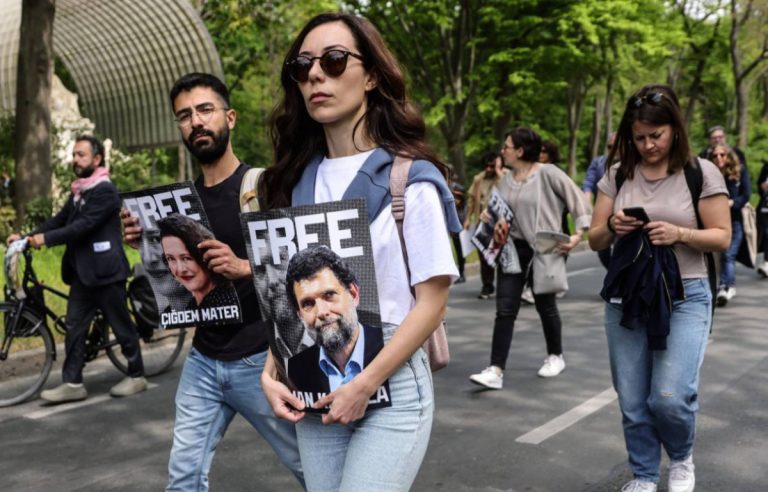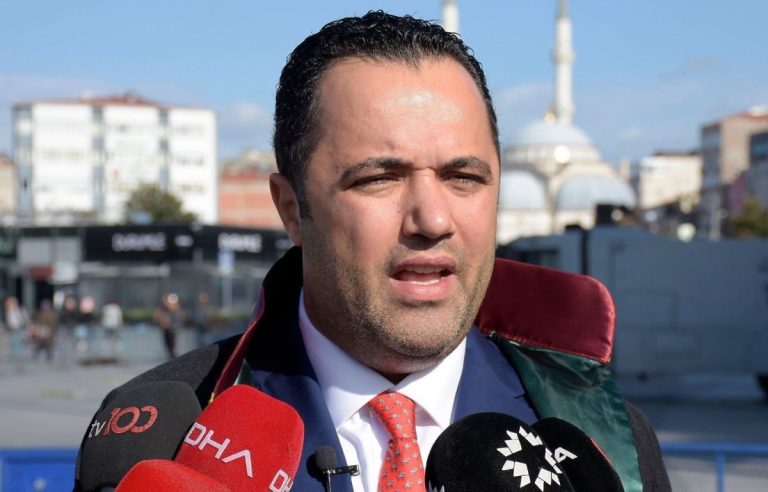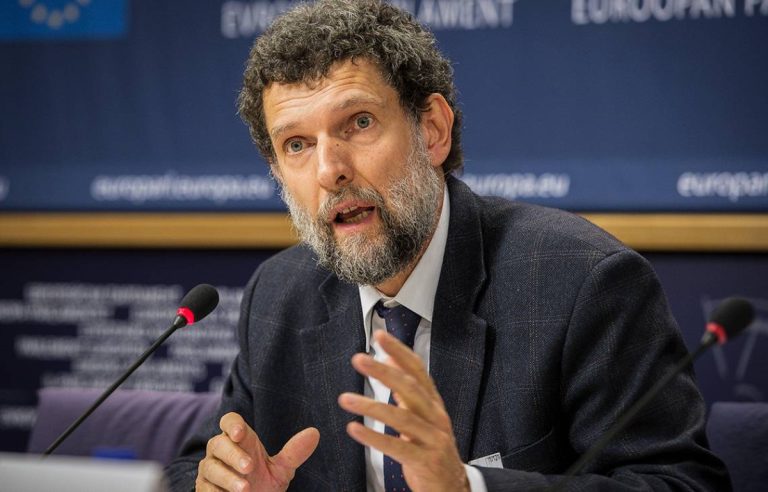
A high-profile legal dispute between Turkey and the European Court of Human Rights (ECHR) continues as Turkish philanthropist Osman Kavala remains in detention, despite the court’s ruling that his imprisonment violates the European Convention on Human Rights. More than two years after his arrest, Turkish courts have repeatedly extended Kavala’s incarceration.
In its December 2019 judgment, the Strasbourg-based court stated that “there was no evidence in the case file that the applicant [Osman Kavala] had used force or violence, had instigated or led the violent acts perpetrated or had provided support for such criminal conduct.” The ECHR also found that the charges against Kavala lacked legal basis and appeared to be politically motivated. Nevertheless, Turkish authorities have persisted in detaining him, with no indication of release.
Kavala’s ongoing detention has drawn sharp criticism from European leaders. In a letter to The Financial Times, a group of prominent political figures, including former Swedish Prime Minister Carl Bildt and former NATO Secretary General Javier Solana, expressed their concern over Turkey’s disregard for the ECHR ruling.
“We strongly criticised the wholly unjustified imprisonment of the leading Turkish philanthropist Osman Kavala. He has been incarcerated ever since. Now the European Court of Human Rights has authoritatively confirmed our assessment,” the letter stated. The signatories represent a wide range of European political views and warned that Turkey’s treatment of Kavala breaches its obligations under the European Convention on Human Rights and has damaged its relationships across Europe.
The letter also highlighted that the indictment against Kavala did not allege any use of force, a requirement under Article 312 of the Turkish Penal Code, which addresses attempts to overthrow the government through violence. The absence of evidence linking Kavala to violent acts has fueled speculation about the political motivations behind his detention.
Turkish Legal Community Voices Dissent
Within Turkey, there is increasing unease among legal professionals. In January 2020, 12 bar associations, representing two-thirds of the country’s lawyers, issued a joint statement criticizing the 30th Assize Court of Istanbul for its handling of Kavala’s case. The statement described the proceedings as “a trial system based on arbitrariness, with a predetermined outcome, and witnesses whose evidence will be withheld from the defense,” arguing that such a process could never be fair.
Despite these objections, Turkish courts have continued to extend Kavala’s detention.
Turkey’s International Reputation in Jeopardy
Turkey’s failure to comply with the ECHR ruling carries significant consequences. As a member of the Council of Europe, Turkey is legally required to uphold the court’s decisions. Persistent non-compliance risks further isolating the country among its European partners. Relations between Turkey and the European Union have already been strained by following the 2016 coup attempt.
Legal experts in Europe and Turkey emphasize that compliance with the European Court of Human Rights is not optional for Council of Europe members.
With each day Kavala remains in prison, international pressure on Turkey intensifies. Whether the Turkish government will release Kavala and realign with European legal standards remains uncertain.