This is the third piece of the Voices Silenced Series examining how climate change, pollution, and environmental policies disproportionately affect women.
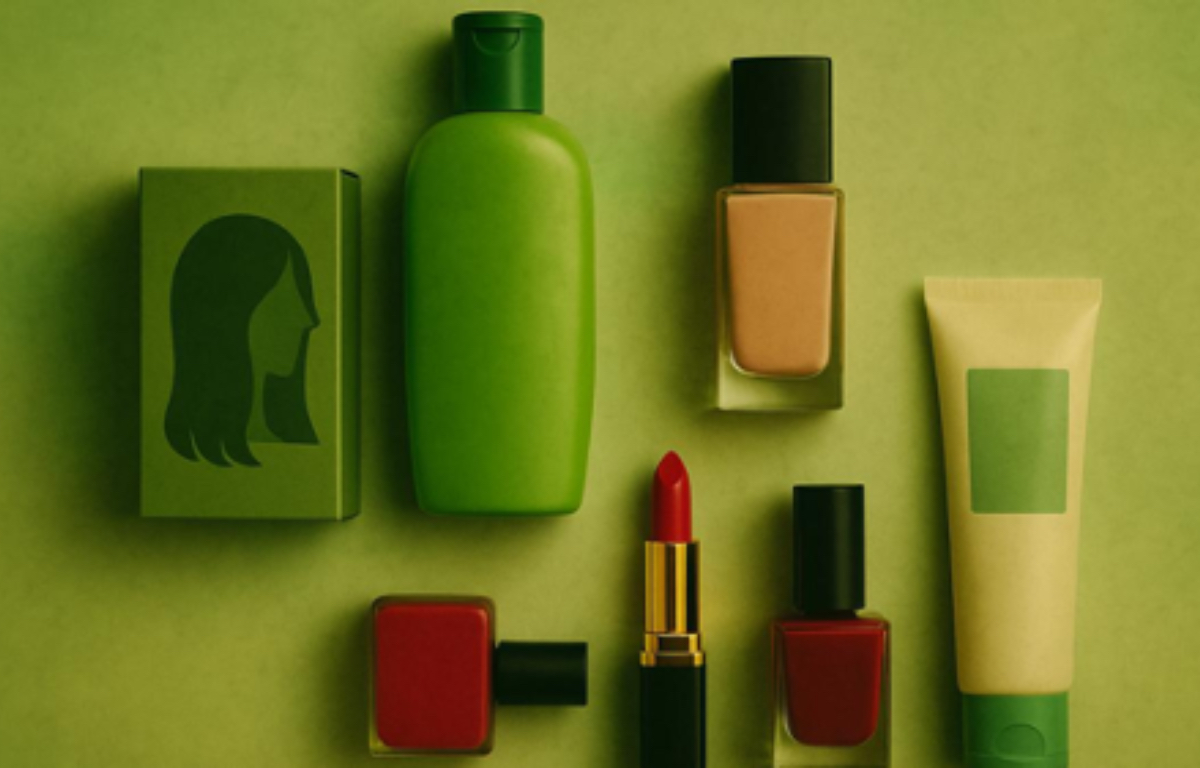
In 2026, the European Union stands as a global regulatory powerhouse for chemical safety, yet its shelves remain stocked with products containing substances linked to cancer, infertility, and developmental disorders. While the bloc has successfully banned or restricted certain phthalates and tightened controls on parabens, a persistent legislative gap allows other hazardous ingredients, particularly specific classes of PFAS “forever chemicals” and complex fragrance allergens, to remain legal in makeup, hair treatments, and skincare sold across the continent. This regulatory limbo is not an accident of science but the result of calculated corporate lobbying by industry giants like L’Oréal, Unilever, and Estée Lauder, who have successfully argued for “transition periods” and “technical feasibility” over immediate public health protection. As these powerful entities shape the pace of reform, the burden of toxic exposure falls unevenly, with women of color facing a distinct and heightened risk due to systemic biases in product formulation and marketing that have persisted despite decades of awareness campaigns.
The influence of major cosmetics corporations on EU policy has become increasingly sophisticated, shifting from outright denial of risks to demanding realistic timelines for compliance. In the face of proposed bans on PFAS—chemicals used in long-wear foundations and heat-resistant hair products for their durability—industry groups have lobbied the European Commission for extended phase-outs, citing the need to develop viable alternatives without disrupting supply chains. While France moved ahead with a national ban on PFAS-containing cosmetics effective in 2026, putting pressure on Brussels to follow suit with an EU-wide mandate scheduled through 2028, the broader regulatory landscape remains fragmented. Manufacturers argue that abrupt restrictions would stifle innovation and reduce consumer choice, framing their resistance as a defense of market stability rather than a defense of profit margins. Meanwhile, voluntary commitments to eliminate toxins often lack enforcement mechanisms, allowing brands to tout “cleaner” lines while continuing to sell legacy products elsewhere. The result is a patchwork of protections where the safety of a woman’s skin depends less on her health rights and more on the speed at which her government can override industrial pressure.
Compounding this regulatory failure is a stark racial bias embedded in the very chemistry of beauty products. Research conducted in 2025 reveals that cosmetics marketed specifically to women of color are disproportionately likely to contain hazardous ingredients compared to those targeted at white consumers. Approximately eighty percent of products designed for Black women, including hair relaxers, skin-lightening creams, and heavy-coverage foundations, have been classified as carrying moderate-to-severe health hazards. These formulations frequently rely on higher concentrations of endocrine disruptors like certain parabens and phthalates, as well as formaldehyde-releasing preservatives and undisclosed fragrance compounds that bypass standard safety labeling requirements. Hair relaxers, in particular, remain some of the most toxic items on the shelf, linked to severe reproductive health issues and increased risks of uterine cancer. Despite the EU’s general prohibitions on many dangerous substances, loopholes allow legacy chemicals to persist in niche markets, creating a form of environmental racism where minority women are systematically exposed to higher levels of toxins under the guise of meeting aesthetic standards that white women rarely face.
This disparity is not merely a matter of product preference but reflects deeper structural inequalities in how beauty is defined and regulated. The demand for lighter skin tones or straighter hair textures, often fueled by colonial legacies and Eurocentric beauty ideals, has driven manufacturers to formulate products with harsher chemicals that can alter pigment or texture more aggressively. Because these products are sold to a demographic with less political leverage and historical exclusion from decision-making bodies, they have received less scrutiny from regulators until recently. Even as the EU expands its list of required fragrance allergen disclosures and tightens rules on nanomaterials, the specific risks posed to women of color have only begun to be addressed through targeted screenings. A 2025 study of over four thousand products found that while overall hazard rates have declined since 2016, the gap between products marketed to different racial groups remains significant, with only about one-fifth of items for Black women receiving low-hazard ratings in independent safety databases. This suggests that without explicit regulatory mandates addressing equity, market forces alone will continue to prioritize profit over the health of marginalized communities.
Amidst this toxicity, the rise of the “clean beauty” movement offers a glimmer of hope, though its impact is currently more symbolic than transformative. By 2026, the term “clean” has evolved from a marketing buzzword into a contested regulatory battleground, with the EU’s Greenwashing Directive (EU 2024/825) set to take full effect in September of that year. This legislation prohibits vague claims like “eco-friendly” or “non-toxic” unless backed by verifiable life-cycle assessments, forcing brands to substantiate their safety promises with hard data. While this shift aims to eliminate greenwashing and push companies toward genuine reformulation, critics argue that many “clean” brands still operate within the same loopholes, excluding only the most infamous offenders while retaining lesser-known but equally harmful substitutes. The movement has succeeded in raising consumer awareness and pressuring smaller brands to innovate, but large conglomerates have largely adopted “clean” as a branding strategy rather than a holistic commitment to safety. Consequently, the true measure of progress lies not in the volume of “clean” products on shelves but in the number of hazardous ingredients actually removed from circulation through binding regulation.
As the EU moves toward its 2030 Cosmetics Strategy, the path forward requires more than incremental adjustments. Closing the loopholes that allow carcinogens and endocrine disruptors to linger in everyday products demands a political will that transcends industry influence and addresses the racial disparities inherent in current formulations. Policymakers must recognize that safety cannot be a privilege reserved for those who can afford niche organic brands; it must be a universal standard enforced across all price points and categories. The continued exposure of millions of women, particularly women of color, to toxic beauty products represents a failure of both governance and ethics. Until regulations explicitly target the intersection of corporate power and racial bias, the promise of a safe and equitable beauty industry will remain unfulfilled, leaving women to navigate a landscape where the mirror reflects not just their image but also the silent, cumulative damage of a system that values profit over people.