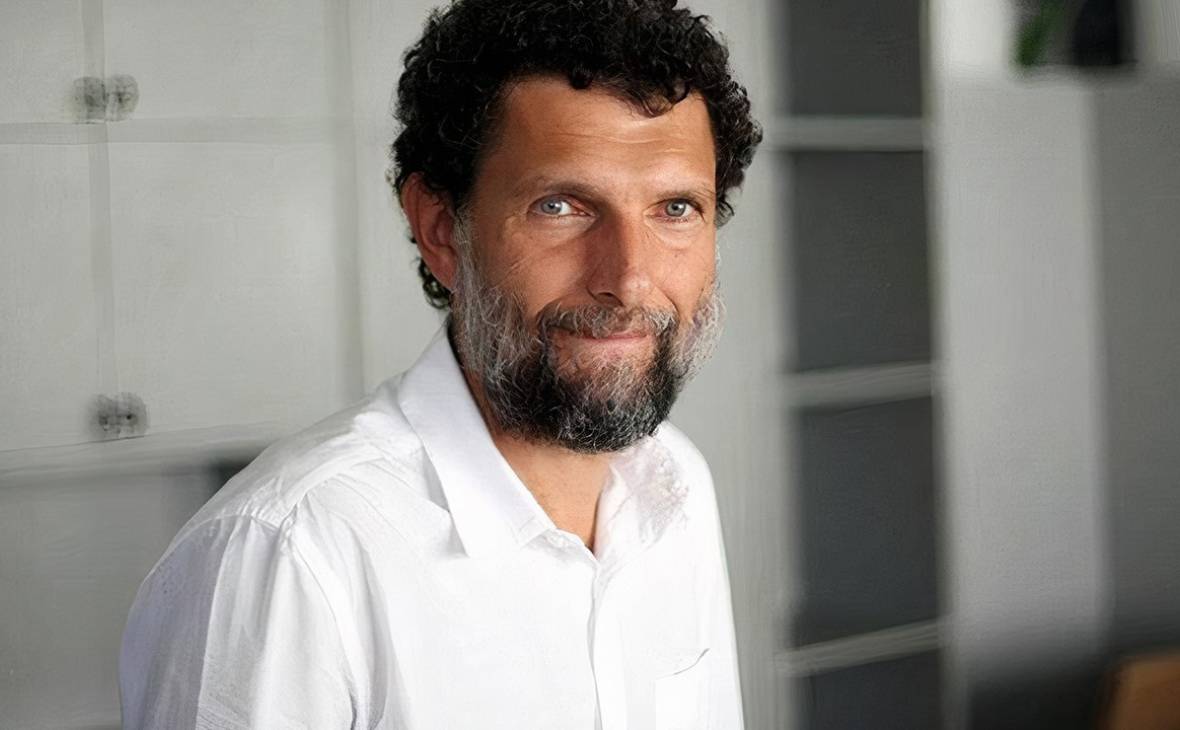
Turkish businessman and human rights advocate Osman Kavala has now spent 1,000 days in detention, despite repeated court orders for his release. Through his lawyers, Kavala described his imprisonment as “a fantastic fiction” and criticized the ongoing legal process, which has expanded to include accusations of espionage.
Kavala’s prolonged detention has drawn criticism from human rights groups and legal experts, especially after the European Court of Human Rights (ECHR) ruled that his arrest violated the European Convention on Human Rights and called for his immediate release. He remains in custody.
Kavala was first arrested on October 18, 2017, on charges linked to the Gezi Park protests and alleged involvement in the 2016 coup attempt. In December 2019, the ECHR found that his detention violated his rights and demanded his release.
However, on February 18, 2020, Kavala was acquitted in the Gezi Park case but immediately rearrested on new charges of espionage and involvement in the coup attempt. He was not allowed to leave prison. By July 2020, he had spent 1,000 days in detention, with no formal indictment issued for the espionage allegations.
The legal situation became more complex in 2020 when new espionage charges were filed against Kavala despite the absence of new evidence or a formal indictment. These charges followed the ECHR’s ruling which led observers to question the timing and motivation behind the new accusations.
Kavala noted that the espionage charges are baseless and the ECHR’s ruling was unanimous and based on “indisputable facts.”
Requests for comment from Turkey’s Ministry of Justice regarding the reasons for disregarding the ECHR ruling have gone unanswered. Government officials have not responded to inquiries about Kavala’s ongoing detention.
Legal Process and Political Context Under Examination
At a press conference marking Kavala’s 998th day in detention, his wife, Prof. Ayşe Buğra, described the legal process as “torture.”
Kavala also highlighted the changing political statements surrounding his arrest. Initially, accusations focused on foreign influence during the Gezi Park protests. His case has brought attention in Turkey after the laws introduced following the 2016 coup attempt that allows charges such as “espionage” or “terrorism” to be brought without substantial evidence.
Legal experts, including constitutional law professor İbrahim Kaboğlu, have discussed the concept of “virtual crimes” in cases like Kavala’s, where serious charges are often made without concrete evidence. Kaboğlu and others argue that such practices permit the state to pursue individuals based on political considerations rather than legal grounds.
Kaboğlu and other experts have warned that these practices risk eroding public trust in the judiciary. When asked if he believes justice will eventually prevail in Turkey, Kavala expressed cautious hope.