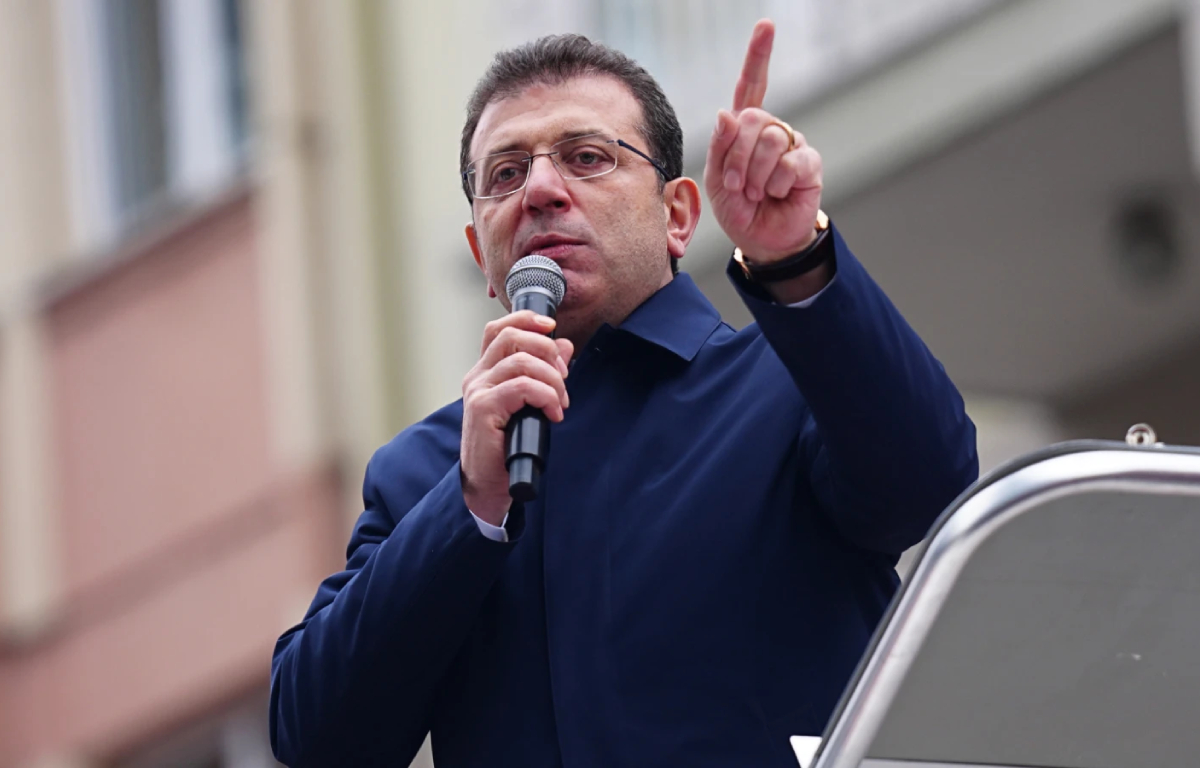
The arrest of Istanbul Mayor Ekrem İmamoğlu in March drew international attention. Opposition leaders condemned the move as politically motivated and thousands protested in the streets. But a more complex question emerged amid. What if some of the allegations prove to be true?
For years, İmamoğlu presented himself as a champion of clean governance and progressive reform. He won Istanbul’s mayorship by defeating a long-dominant ruling party, promised transparency, meritocracy, and an end to what he called “palace politics.” Many voters trusted his vision.
Now, corruption allegations against him, and a growing body of documents, leaked reports, and witness statements, have been raising difficult questions.
Prosecutors claim that during İmamoğlu’s tenure, public tenders were directed to shell companies and businesses with political ties in return for kickbacks. They allege that funds allocated for public infrastructure, social housing, and community projects were siphoned off through inflated invoices and nonexistent initiatives.
The investigation covers more than 10 departments within the Istanbul Metropolitan Municipality and involves senior aides and project managers appointed by İmamoğlu.
Judicial documents describe “repeated irregularities” and “non-competitive practices” in municipal procurement records dating back to early 2021. Authorities also assert connections between some Municipality contractors and banned organizations, though many of the terrorism-related claims rest on alleged affiliations and past election collaborations rather than direct evidence of support for terrorist activities.
İmamoğlu and his legal team reject all accusations and call the investigation a political witch hunt. Days after his arrest, the party officially nominated him for the presidency.
Skepticism about the investigation’s motives does not erase the need to examine the allegations against İmamoğlu. Claims are detailed and supported by financial records. Independent outlets have published leaked documents, some of which reveal unusually structured contracts.
This is not a simple story of right versus wrong. Turkey’s legal system has long faced criticism for its lack of independence, and aspects of this investigation appear politically influenced.
But two realities can coexist, which is the prosecution may be driven by political motives, and corruption may still have taken place.
The legal process continues. If İmamoğlu is convicted, the political fallout will be profound.