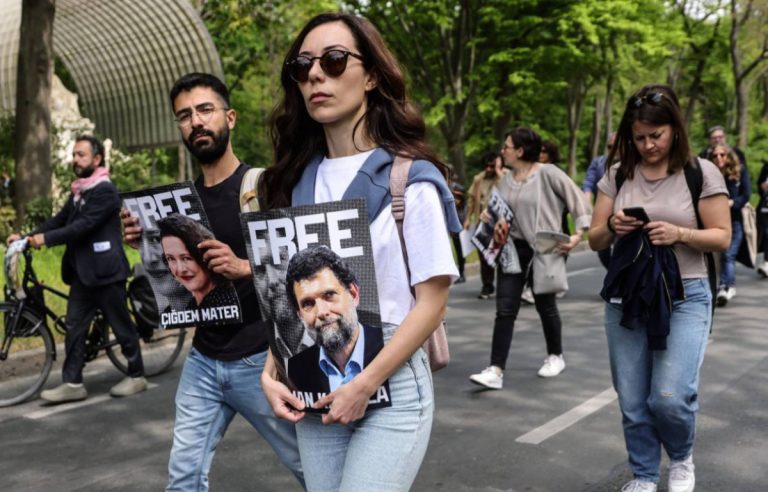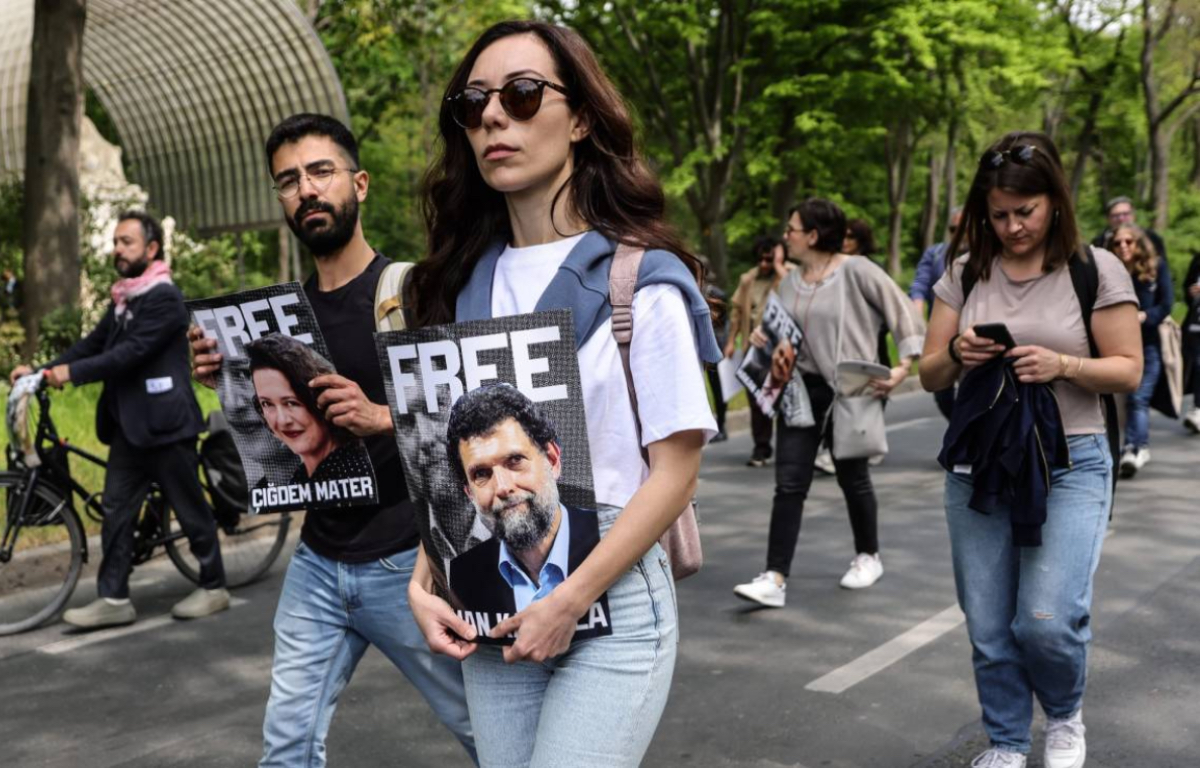
Turkish businessman and philanthropist Osman Kavala was rearrested on new charges just moments after a court acquitted him in a trial linked to the 2013 Gezi Park protests. The move defies a European Court of Human Rights ruling that called for his release and has sparked widespread concern about judicial independence in Turkey.
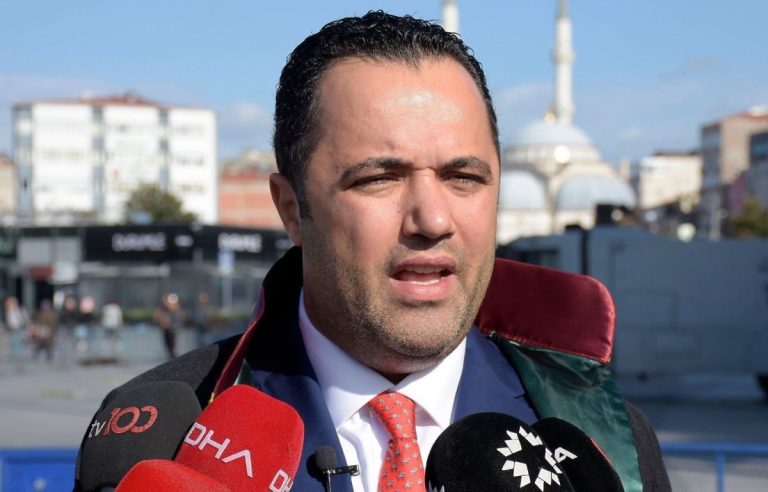
Rıza Türmen, a former judge at the European Court of Human Rights, condemned the rearrest as a direct breach of the court’s earlier decision.
Acquitted Then Detained Again
On February 18, 2020, Istanbul’s 30th Assize Court acquitted Kavala and several other defendants of charges related to the Gezi Park protests. Many expected this decision to finally end Kavala’s detention, which began in 2017.
But as Kavala prepared to leave the courthouse, prosecutors issued a new arrest warrant. This time, the charges stem from an investigation into the 2016 failed coup attempt. Kavala was taken into custody under Article 309 of the Turkish Penal Code, which covers attempts to overthrow the constitutional order.
The Istanbul Prosecutor’s Office did not respond to requests for comment on the reasons behind Kavala’s rearrest.
In an interview with T24, Türmen criticized the decision and argued that the new charges fall under the same legal framework the European Court of Human Rights had already addressed.
“The ECHR’s ruling covers both the charges under Articles 312 and 309,” Türmen said. “Rearresting Kavala on these grounds clearly violates the court’s decision.”
Türmen explained that the allegations hinge on Kavala’s alleged contact with a coup suspect based on their phones connecting to the same cell tower and a brief greeting between the two.
“This doesn’t meet the standard for reasonable suspicion,” Türmen said, aligning with the ECHR’s earlier conclusion that the evidence against Kavala was insufficient to justify detention. “The European Court requires solid, tangible evidence for serious charges like attempting to overthrow the government. Here, the only claim is that they met and exchanged greetings. That’s not enough to prove involvement in a coup.”
The Turkish Ministry of Justice did not provide a response to requests for comment.
Defying International Rulings
In December 2019, the ECHR ruled that Kavala’s prolonged detention violated his rights under the European Convention on Human Rights. The court determined that his imprisonment was politically motivated and intended to silence him, ordering his immediate release.
However, Kavala rearrested just hours after his acquittal.
Turkish officials did not respond to requests for comment on their position regarding the ECHR’s ruling.
What Lies Ahead for Turkey?
Observers warn that Turkey’s refusal to comply with the European Court’s ruling could strain its relationship with Europe. The Council of Europe, which monitors compliance with ECHR decisions, has the power to impose sanctions on member states that fail to adhere to the court’s rulings.
As Turkey continues to defy its legal obligations under the European Convention on Human Rights, the tension with Europe is likely to grow.
Whether Turkish authorities will ultimately comply with the ECHR’s ruling or continue to resist international pressure remains uncertain.