This is the second piece of the Voices Silenced Series examining how climate change, pollution, and environmental policies disproportionately affect women.
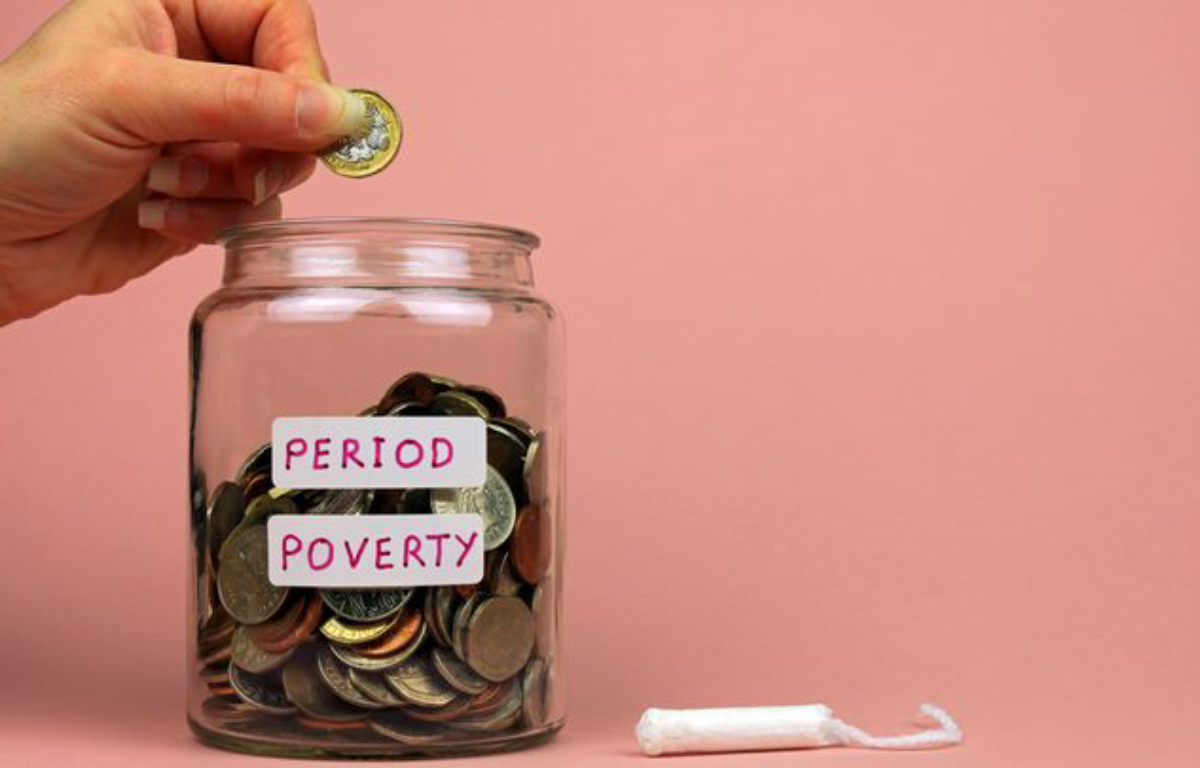
In 2026, the European Union faces a silent crisis that simultaneously erodes human dignity and chokes its ecosystems. While policymakers debate carbon targets and plastic reduction goals, a reality persists for millions of women across the continent. One in eight cannot reliably afford menstrual products. This figure, often cited as ten percent in broader EU estimates, masks deeper pockets of desperation among low-income households, refugees, and young people where access to hygiene becomes a matter of choosing between food and safety. Compounding this social injustice is an environmental catastrophe fueled by the very solutions meant to address it. The dominance of disposable pads and tampons, saturated with plastic, has created a waste stream that contributes significantly to marine pollution and microplastic contamination, forcing women into an impossible trade-off between economic necessity and ecological responsibility. As nations struggle to implement free provision schemes while industries lobby to maintain the status quo, the menstrual crisis remains a potent symbol of how gender inequality and environmental degradation intersect to silence women’s needs.
The disparity in national approaches reveals a fractured political landscape across Europe. Scotland stands as the pioneering model, having become the first jurisdiction in the world to mandate universal free access to period products through legislation passed in 2018 and fully operationalized by 2020. Its success, documented by reduced school absenteeism and improved workplace productivity, inspired France and Spain to follow suit with their own national programs offering free products in educational institutions and public spaces. Belgium has similarly moved toward inclusive policies, integrating menstrual supplies into social welfare frameworks. Yet these successes have failed to ripple uniformly across the bloc. In many member states, particularly in Eastern and parts of Southern Europe, no such comprehensive schemes exist, leaving women vulnerable to market volatility and the rising cost of living. The absence of unified EU-wide mandates means that a woman’s access to basic hygiene depends entirely on her geographic location, creating a patchwork of rights where privilege is determined by local budget allocations rather than fundamental human need.
The environmental toll of this fragmented approach is staggering. In 2025 alone, the EU generated approximately two hundred thousand tonnes of plastic waste from disposable menstrual hygiene products, representing about one point five percent of the Union’s total plastic waste stream. On an individual level, this translates to roughly zero point three kilograms of plastic menstrual waste per woman annually. When accumulated across the hundreds of millions of menstruators in Europe, the impact becomes visible in waterways and beaches, contributing an estimated two point five million microplastic particles to European water systems every year. These plastics do not biodegrade but instead break down into microscopic fragments that enter the food chain, affecting marine life and potentially human health. Despite the Single-Use Plastics Directive aiming for a thirty percent reduction in menstrual-product plastic waste by 2030, the continued reliance on non-biodegradable disposables driven by affordability concerns undermines these environmental goals. Women facing period poverty are often forced to purchase the cheapest available options, which are typically the most plastic-heavy, trapping them in a cycle where economic hardship fuels environmental damage.
Corporate lobbying has played a decisive role in perpetuating both the accessibility and environmental aspects of this crisis. In Germany, following intense public pressure and industry acknowledgment of the stigma attached to taxing essential goods, the government successfully lowered the value-added tax on menstrual products from nineteen percent to seven percent in 2020, a move celebrated by manufacturers as expanding market access. However, the narrative shifts dramatically when looking at other major economies. In Italy, despite a decision to cut VAT from twenty-two percent to five percent in 2022, corporate trade groups have actively opposed further reductions or complete tax elimination, arguing that steep cuts distort competition and reduce public revenue. These lobbies frame modest taxes as necessary for fiscal stability while downplaying the social cost of keeping essential items out of reach for vulnerable populations. Meanwhile, multinational brands have increasingly coordinated efforts to influence policy, with some forming coalitions to reimburse taxes paid in specific regions while others resist broader regulatory changes that might threaten profit margins. The result is a political environment where commercial interests often override public health imperatives, ensuring that menstrual equity remains a contested battleground rather than a settled right.
The intersection of poverty and environmental justice creates a unique burden for women who lack resources. When affordable options are dominated by plastic-laden disposables, low-income women are effectively forced to be the primary contributors to the very pollution that threatens their communities. Reusable alternatives like menstrual cups, cloth pads, or period underwear, while environmentally superior, often require higher upfront costs and longer-term investment that remain inaccessible to those struggling to make ends meet. Without subsidized access to these sustainable options or robust infrastructure for laundering and safe disposal, the transition to eco-friendly menstruation remains a privilege of the wealthy. This dynamic highlights a critical gap in current policy: environmental regulations must account for the socioeconomic realities of the users they aim to protect. Simply banning certain materials without providing affordable, accessible alternatives risks penalizing the very populations already marginalized by cost barriers.
As 2026 progresses, the path forward requires acknowledging that menstrual equity cannot be achieved through isolated measures. Free provision schemes must be paired with incentives for sustainable manufacturing and distribution, ensuring that accessibility does not come at the expense of planetary health. Governments need to close the legislative loopholes that allow corporations to delay meaningful reform while simultaneously investing in reusable product subsidies for low-income users. The failure to address this dual crisis—economic exclusion and environmental harm—threatens to deepen existing inequalities, leaving women to bear the consequences of a system designed to prioritize profit over people and planet. Until policy recognizes the inseparable link between a woman’s ability to manage her health and the health of her environment, the voice of half the population will remain silenced by the weight of poverty and plastic.