By mid-2026 the visual landscape of European social media has shifted to accommodate a resurgent aesthetic that champions domesticity, submission and traditional gender roles. In Germany, France and the Netherlands a digital subculture known as the tradwife movement has grown from a fringe internet curiosity into a significant political force influencing debates on family policy and women’s rights. This community which first coalesced online in the mid-2010s experienced a pronounced surge after the global pandemic with platforms such as TikTok, Instagram, Telegram and country specific Facebook groups becoming primary hubs for its dissemination.
By 2025, the German scene featured several Telegram channels and Facebook groups collectively reaching well over one hundred thousand members while French Discord servers and Instagram accounts reported roughly twenty thousand active participants. Dutch forums and discussion groups highlighted in a 2025 summary saw membership climb by about a third year-on-year reflecting an overall annual growth rate of roughly thirty percent in these three nations between 2023 and 2026. This exponential expansion solidified the movement’s presence as a notable right-leaning digitally driven subculture focused on traditional gender roles but it also raised alarms among researchers and advocates regarding its deeper ideological underpinnings and recruitment potential.
At the core of this phenomenon lies a troubling convergence with far-right and alt-right networks that have long sought to mainstream extremist ideologies through cultural gateways. The tradwife movement has become a key recruitment pipeline for these groups across Europe with a growing cadre of female influencers packaging traditional gender roles, domesticity and family values as a lifestyle that masks hardline nationalist and anti-immigrant narratives.
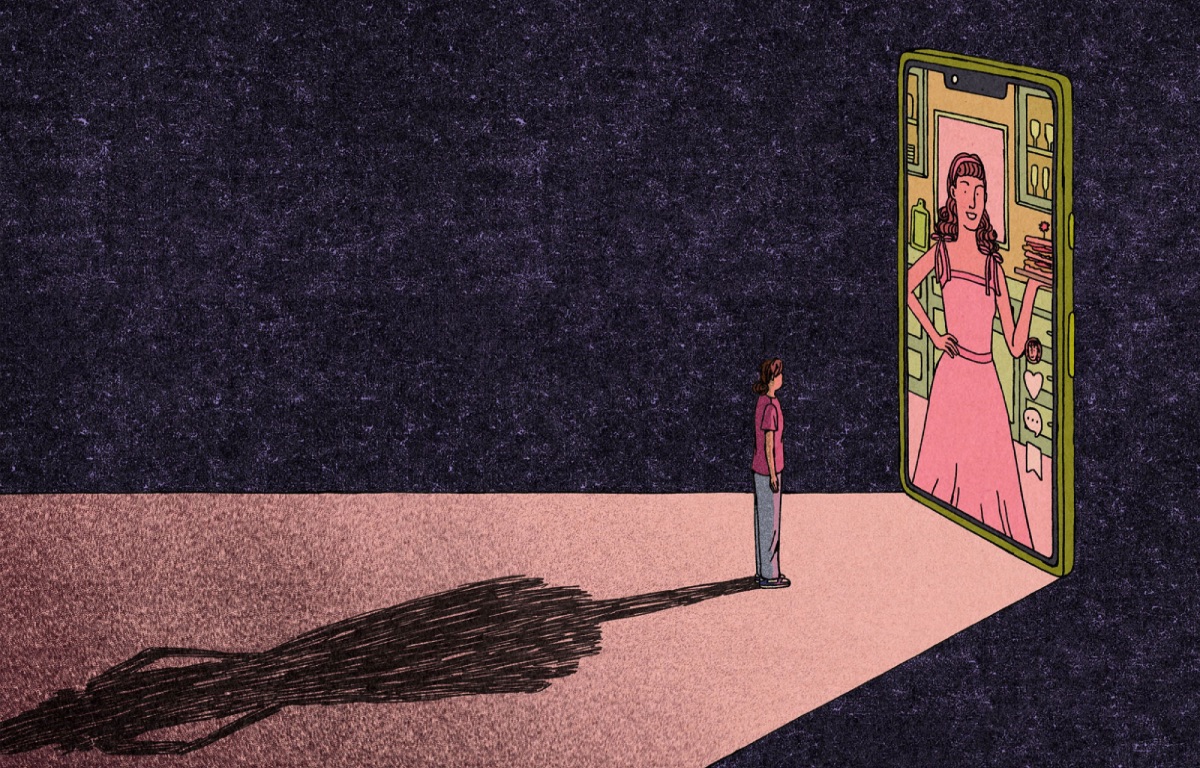
These influencers often white and affluent women styled in mid-century fashion use platforms such as YouTube, TikTok and Instagram to promote dating marriage and homemaking advice while subtly embedding anti-feminist rhetoric. This strategy is documented in academic analyses of the Tradwife to Far-Right Pipeline which note how the movement’s appeal to perceived realistic gender expectations is weaponized to expand alt-right recruitment.
High profile cases illustrate this trajectory where former right-wing provocateurs shift their brand to tradwife content leveraging large followings to funnel women into far-right networks. The result is a mainstreaming of extremist femininity where the promise of safety and belonging within a patriarchal structure serves as a Trojan horse for broader reactionary agendas that seek to dismantle hard-won gains in equality and reproductive autonomy.
The financial architecture sustaining this movement is equally sophisticated and relies heavily on the monetization structures of contemporary social media algorithms. Both TikTok and YouTube have refined their recommendation engines to prioritize niche communities and high engagement formats with TikTok’s AI-driven tools such as Smart Split and AI Outline automatically trimming long-form videos and generating captions to boost discoverability for specialized verticals like tradwife content.
YouTube’s Shorts algorithm emphasizes watch-time retention and rapid repeat views feeding creators into higher CPM ad pools. Monetization on TikTok has shifted from the now-defunct Creator Fund to a Creator Rewards Program that can pay up to twenty times more complemented by TikTok One, Series, LIVE and Video Gifts. Data from early 2026 shows the average qualified creator earning roughly one thousand one hundred eighty dollars per month from native programs versus two hundred eighty-seven dollars under the old fund. Many tradwife creators leverage this by pairing algorithm-friendly short clips with brand partnerships, affiliate links in TikTok Shop and YouTube sponsorships allowing them to generate a diversified income stream that includes direct platform payouts e-commerce commissions and external brand deals. This economic incentive transforms personal expression into a viable business model encouraging the production of ever-more extreme or idealized content that keeps viewers engaged and advertisers spending.
The impact of this digital ecosystem on young women particularly those in Generation Z is profound and complex contradicting the stereotype of younger cohorts as uniformly progressive.
European surveys conducted in 2025 and 2026 show that a sizable minority of Gen Z women are turning away from feminist framing and endorsing more traditional gender expectations. Roughly forty percent of Gen Z women say that policies aimed at women’s equality actually discriminate against men and about one-quarter agree that a husband should have the final say in major family decisions.
Only around thirty-six percent of Gen Z men and just under thirty percent of older cohorts identify as feminists underscoring that Gen Z women’s support for feminism is markedly lower than expected. These statistics reveal a generation grappling with the pressures of modern life including economic instability housing crises and the perceived incompatibility of career ambition with family life. For many the tradwife narrative offers a seductive simplicity a way out of the anxiety of balancing work and care by retreating into a curated vision of domestic bliss. Yet this retreat is not merely personal; it is political. It represents a collective reimagining of womanhood that aligns with the interests of reactionary movements seeking to roll back social progress.
As 2026 progresses the implications of this trend extend beyond individual lifestyle choices to the structural fabric of European society. The normalization of anti-feminist ideologies through popular media creates a culture where women who choose independence face increasing stigma and where legal protections for reproductive rights and workplace equality are framed as threats to family stability. The financial viability of tradwife content ensures that this message remains ubiquitous drowning out alternative voices with polished imagery and algorithmic amplification. Until platforms address the monetization of hate speech disguised as lifestyle content and policymakers recognize the intersection of economic precarity and ideological radicalization the movement will continue to grow. The return of the tradwife is not a nostalgic revival but a modern adaptation of patriarchy powered by artificial intelligence and venture capital designed to secure the future of inequality in the digital age.