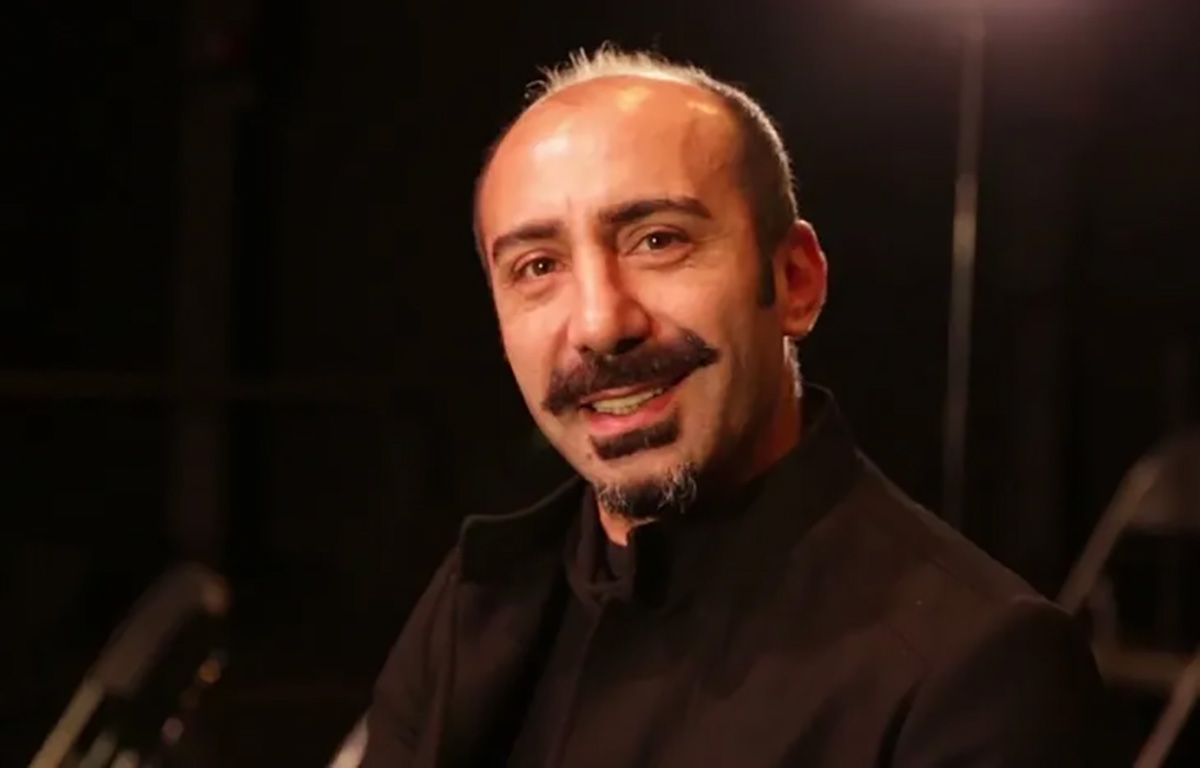
Actor and BKM performer Metin Yıldız set off a new round of debate this week after he took to social media to air his grievances about the Gezi Park protests, the shifting loyalties of artists, and the recent arrest of Ayşe Barım. His posts were sharp, personal, and unfiltered. He targeted those who once marched for change but now, in his eyes, enjoy the perks of the system they once opposed.
Yıldız didn’t pull his punches. He accused Barım and others like her of controlling the entertainment business, shutting out newcomers, and protecting their own positions. He described a generation of activists who, after protesting in the streets, now appear on the same screens they once rejected, comfortable in roles they once criticized.
Some of his frustrations hit home. Turkey’s entertainment world, like many others, has long been dominated by a small circle of insiders. Barım, as one of the most influential managers in the country, holds real power. Her client list includes some of the biggest names, and her decisions shape casting and careers. Critics say this kind of concentration makes it harder for fresh talent to break through.
But there’s a critical difference between questioning her influence and justifying her arrest. Barım is currently behind bars on charges that lawyers and rights groups call legally shaky. An accusation of “influence agency” is tied to her presence at a peaceful protest twelve years ago.
This raises serious questions of
Why now?
Why her?
And why under a law that no one can clearly define?
These questions don’t disappear just because some believe she played the industry’s game too well. Using dubious legal tactics to remove one powerful figure doesn’t fix the system. It just replaces one set of problems with another, possibly worse.
Yıldız tells a compelling story when he points to the hypocrisy of artists who once demanded fairness and reform, only to return to the status quo. His anger reflects a disappointment with those who, after moments of defiance, seem to have settled back into the industry’s old ways.
But when Yıldız says Barım “never gave new faces a chance,” he ignores the bigger picture. The entertainment business in Turkey has always been shaped by favoritism, political pressure, and a reluctance to challenge the powerful. These forces decide who gets ahead and who gets left behind.
And when he declares, “I will no longer applaud,” it’s worth remembering that Barım isn’t facing trial for her professional choices. She’s in jail for attending a protest. That should worry anyone who has ever spoken up and Metin Yıldız included.
The entertainment world may have let down many, but the justice system’s handling of Barım’s case is a failure of a different kind. It should concern every artist, actor, and writer who believes in the right to speak freely.