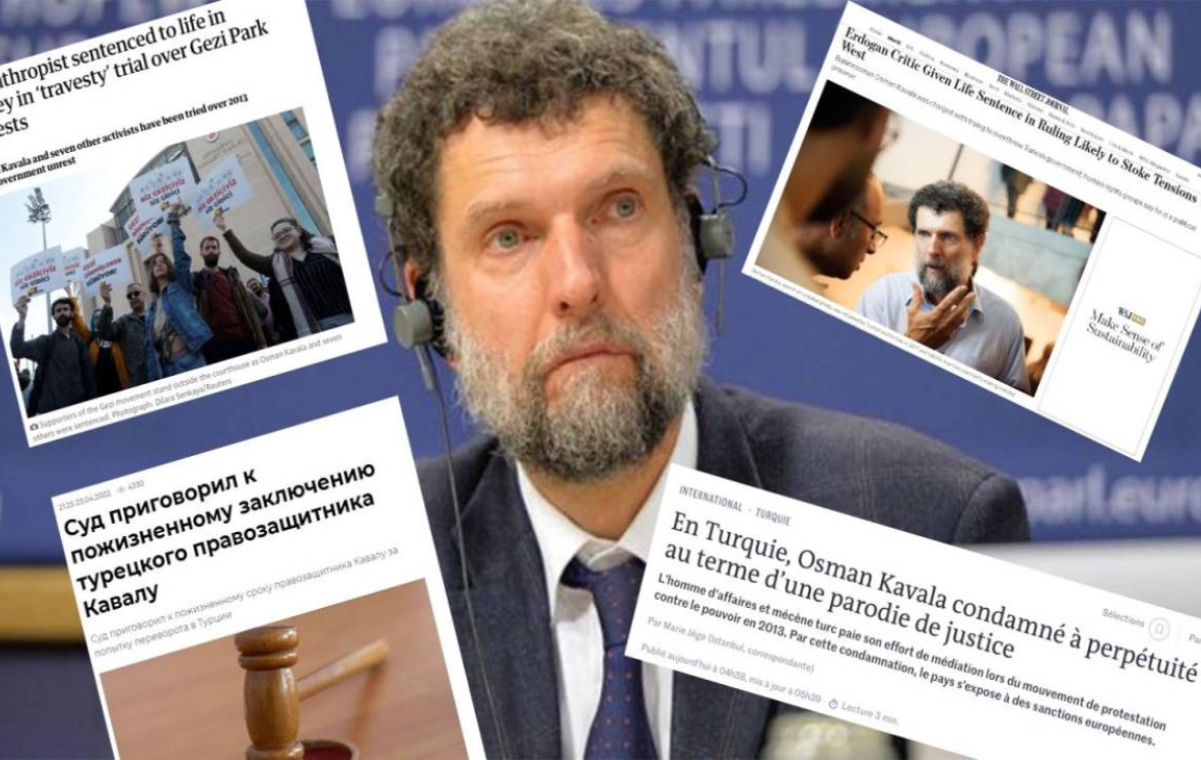
Turkish officials still hold Osman Kavala, ignoring repeated requests from European governments and rights groups. His long detention has sharpened legal disputes and strained relations with foreign capitals.
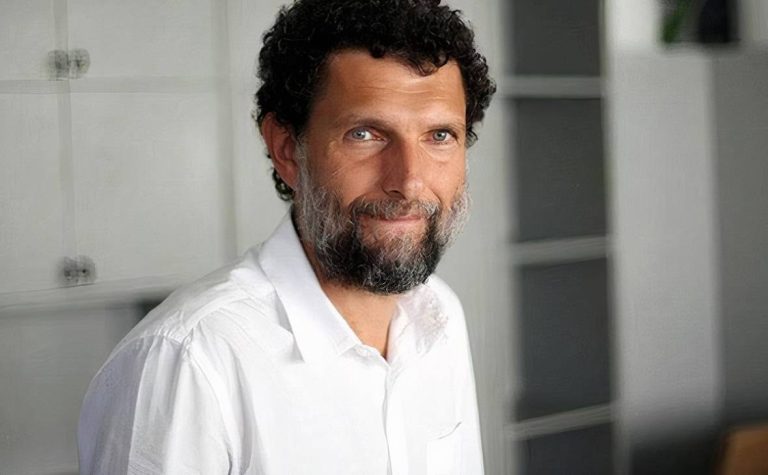
In October 2020, police took Kavala into custody at Istanbul Atatürk Airport as he returned from Gaziantep. A well-known entrepreneur and philanthropist, Kavala had spent years backing arts and social projects through his Anadolu Kültür foundation. His arrest soon drew worldwide attention and started one of Turkey’s most watched legal battles in years.
Authorities say Kavala played a role in two defining moments that rocked Turkish politics, which are the 2013 Gezi Park demonstrations and the 2016 coup attempt. They allege he helped fund and organize the Gezi protests, which started as a local environmental sit-in but swelled into mass opposition to government policies. Security forces crushed the protests and arrested hundreds in the process.
Prosecutors charged Kavala under Article 312 of the penal code, which outlaws attempts to topple the government. Later, they added accusations under Article 309, claiming he worked with the Gülen network, the organization responsible for the 2016 coup. Kavala’s attorneys reject all charges and argues no solid proof ties him to either event.
The Justice Ministry did not answer questions about the legal basis for Kavala’s detention. But one high-ranking official, who asked not to be named, said Kavala’s actions during Gezi were “part of a coordinated effort with local and foreign groups to stir unrest.” The official added, “We have good reason to think he worked against the state.”
By November 2017, Kavala faced formal charges of trying to overthrow the government, with prosecutors pointing to his alleged role in Gezi. Early the next year, they expanded the case, accusing him of links to the 2016 coup plot.
The indictment cites phone taps and meetings Kavala reportedly had with overseas activists, suggesting he teamed up with figures like George Soros to undermine Turkey. Some call these claims baseless, saying they rely more on innuendo than fact but have helped paint Kavala as a state adversary.
Kavala spent over a year in jail without formal charges. Under Turkish rules, pre-trial detention should only happen if someone might flee or destroy evidence.
Emma Sinclair-Webb of Human Rights Watch calls Kavala’s case a prime example of Turkey’s crackdown on dissent. She says the charges are flimsy and seem meant to scare others in civil society. Andrew Gardner at Amnesty International agrees, calling Kavala’s long detention an abuse of the system and a violation of global rights standards.
President Erdoğan has stood by the government’s actions, calling Kavala a foreign operative out to harm Turkey. He insists the arrest was necessary for national security.
From 2017 to 2018, foreign pressure on Ankara grew. The European Court of Human Rights stepped in after lawyers argued Kavala’s detention broke his right to freedom and a fair trial. The Council of Europe and European Parliament both demanded his release.
As of now, Kavala remains jailed. After years behind bars and under international scrutiny, courts are poised to rule on the charges keeping him there.